The office potluck was in three hours and I’d completely forgotten. Everyone else would be bringing their signature dishes—Maria’s famous three-layer dip that takes her all weekend, Kevin’s slow-cooked ribs he’d been smoking since dawn, and Sarah’s artisanal bread that she’d probably hand-kneaded while listening to a podcast about mindfulness. I had a half-empty jar of peanut butter in my desk drawer, a freezer-burned banana I’d been meaning to take home for weeks, and about fifteen minutes before I needed to be back from my lunch break. I was panicking, honestly. I mean, you know that feeling when you’re staring into your office fridge like it might magically produce something impressive? Yeah. That was me.
So I did what any reasonable person would do when faced with a potluck deadline and zero time—I blended everything I had into a bowl and hoped for the best. The banana, some Greek yogurt I’d stolen from the break room, a scoop of that peanut butter, and a splash of milk. I poured it into a bowl, threw some granola on top because it looked sad, and brought it to the potluck fully expecting to be the person who brought “that weird thing from the fridge.” But here’s the thing—people went crazy for it. Like, asking-for-the-recipe crazy. Someone actually said it looked like something from a fancy brunch place. Let me tell you, I was as surprised as anyone. That accidental smoothie bowl became my go-to breakfast, my post-workout refuel, and honestly, the thing I make when I need to feel like I’ve got my life together even when I absolutely don’t. It’s proof that sometimes the best recipes come from desperation and a very forgiving pantry.
Why You’ll Love This Recipe
Look, I’ve tested this recipe about forty-seven times since that fateful potluck day. I’ve made it with different milks, different protein powders, different toppings—and this version is the one that works every single time. It’s not just good for a quick breakfast; it’s genuinely delicious, and I say that as someone who has eaten it for breakfast, lunch, and dinner on separate occasions (don’t judge).
- Quick & Easy: From pantry to bowl in under five minutes. I’m not kidding—I timed it. This is faster than waiting in line at a coffee shop, and cheaper too.
- Simple Ingredients: You probably have everything you need right now. No trips to specialty stores, no hunting for exotic superfoods. Just real food that tastes good.
- Perfect for Busy Mornings: Whether you’re rushing out the door or sitting down for a slow breakfast, this bowl adapts to your schedule. It’s forgiving like that.
- Crowd-Pleaser: Kids love it, adults love it, even my picky uncle who swears he doesn’t like smoothies asked for seconds. It’s that good.
- Actually Filling: Unlike some smoothie bowls that leave you hungry an hour later, this one sticks with you. The protein and healthy fats keep you satisfied until lunch.
What makes this different from every other smoothie bowl recipe out there? It’s the texture. Most smoothie bowls are either too thin (basically a smoothie in a bowl) or too thick (you need a spoon and some determination). This one hits that perfect sweet spot—creamy, thick enough to hold toppings, but not so thick that you’re fighting it. The secret is the frozen banana and the ratio of liquid to solids. I messed this up enough times to get it right, so you don’t have to.
This is the kind of breakfast that makes you feel like you’ve got your act together. It’s healthy without being preachy, filling without being heavy, and pretty enough to photograph for Instagram if that’s your thing. But honestly? It tastes even better than it looks.
What Ingredients You Will Need
This recipe uses simple ingredients to create something genuinely satisfying. Nothing fancy here—just good food that works together. Here’s what you’ll need:
For the Smoothie Base:
- 1 large ripe banana, frozen (the riper the banana, the sweeter your bowl will be—look for brown spots)
- 2 tablespoons creamy peanut butter (I prefer natural peanut butter with no added sugar, but use what you have)
- 1 scoop vanilla protein powder (I use Orgain or Garden of Life for clean ingredients)
- ½ cup unsweetened almond milk (or any milk you have—dairy, oat, soy, coconut all work)
- ¼ cup plain Greek yogurt (adds creaminess and extra protein; use dairy-free yogurt if needed)
- 1 teaspoon honey or maple syrup (optional—only if you want it sweeter)
For the Toppings (optional but highly recommended):
- 2 tablespoons granola (I like Purely Elizabeth for the texture)
- 1 tablespoon chia seeds or hemp seeds
- Sliced banana or fresh berries
- A drizzle of extra peanut butter (because why not)
- A sprinkle of dark chocolate chips or cacao nibs
A few notes on ingredient choices: Frozen banana is non-negotiable for the texture. Fresh banana will give you a thin, sad bowl that won’t hold toppings. Trust me on this—I learned the hard way. For the peanut butter, any kind works, but natural peanut butter gives a cleaner flavor. If you’re using the sugary kind, you might want to skip the honey. For the protein powder, vanilla is safest, but chocolate would be amazing too. Just make sure it’s a powder you actually like the taste of, because it’s the backbone of this bowl.
Greek yogurt adds creaminess and tang, but if you’re dairy-free, coconut yogurt works beautifully. The almond milk can be swapped for any milk you have on hand—oat milk makes it extra creamy, and coconut milk adds a tropical note. The honey is optional because the banana adds plenty of sweetness, especially if it’s really ripe. Taste your base before adding sweetener; you might not need it.
Equipment Needed
You don’t need a fancy kitchen for this recipe. Here’s what you’ll actually use:
- Blender: A high-speed blender works best for that creamy texture, but a regular blender does the job too. I’ve made this in a cheap $20 blender and it worked fine—just blend a little longer and scrape down the sides once or twice.
- Spatula: For scraping every last bit out of the blender because you don’t waste peanut butter in this house.
- Measuring cups and spoons: Standard set, nothing fancy. I use the same ones I’ve had for years.
- Bowls: One for eating, one for prepping if you’re fancy like that.
- Knife and cutting board: For slicing your banana and any fresh toppings.
If you don’t have a blender, you can mash the banana by hand and whisk everything together—it won’t be as smooth, but it’ll still taste great. I’ve done this while traveling and it works in a pinch. Just make sure your peanut butter is well stirred and your banana is very soft. Also, if your blender has a tamper, use it. It makes a huge difference in getting that thick, creamy texture without adding extra liquid.
Preparation Method
Alright, let’s make this happen. You’re looking at less than five minutes from start to finish, I promise.
- Grab your frozen banana. If you haven’t frozen your banana yet, peel it first, then freeze it in a bag or container. Frozen bananas are the key to that thick, ice-cream-like texture. If your banana isn’t frozen, you can add a handful of ice cubes, but it won’t be as creamy. Trust me on this.
- Add everything to the blender. Start with the almond milk—this helps everything blend more easily. Then add the frozen banana (break it into chunks if it’s a big one), the peanut butter, the Greek yogurt, and the protein powder. If you’re using honey or maple syrup, add it now. Don’t overthink the order; just get it all in there.
- Blend until smooth. Start on low speed to break up the banana, then increase to high. You’ll need to stop and scrape down the sides once or twice—that’s normal. The mixture should be thick and creamy, like soft-serve ice cream. If it’s too thick, add a tablespoon more milk. If it’s too thin, add a few ice cubes or another frozen banana chunk. This takes about 30-45 seconds total.
- Taste and adjust. This is the most important step. Dip a clean spoon in and taste it. Does it need more peanut butter? A pinch of salt? A little extra sweetener? Adjust now before you pour it into a bowl. I usually add a tiny pinch of salt because it makes the peanut butter flavor pop.
- Pour into a bowl. Use your spatula to get every last bit out of the blender. You worked hard for that smoothie bowl—don’t leave any behind. The mixture should be thick enough to hold its shape when you spoon it into the bowl. If it’s too runny, you added too much milk. No worries—just stir in a little more protein powder or a few ice cubes.
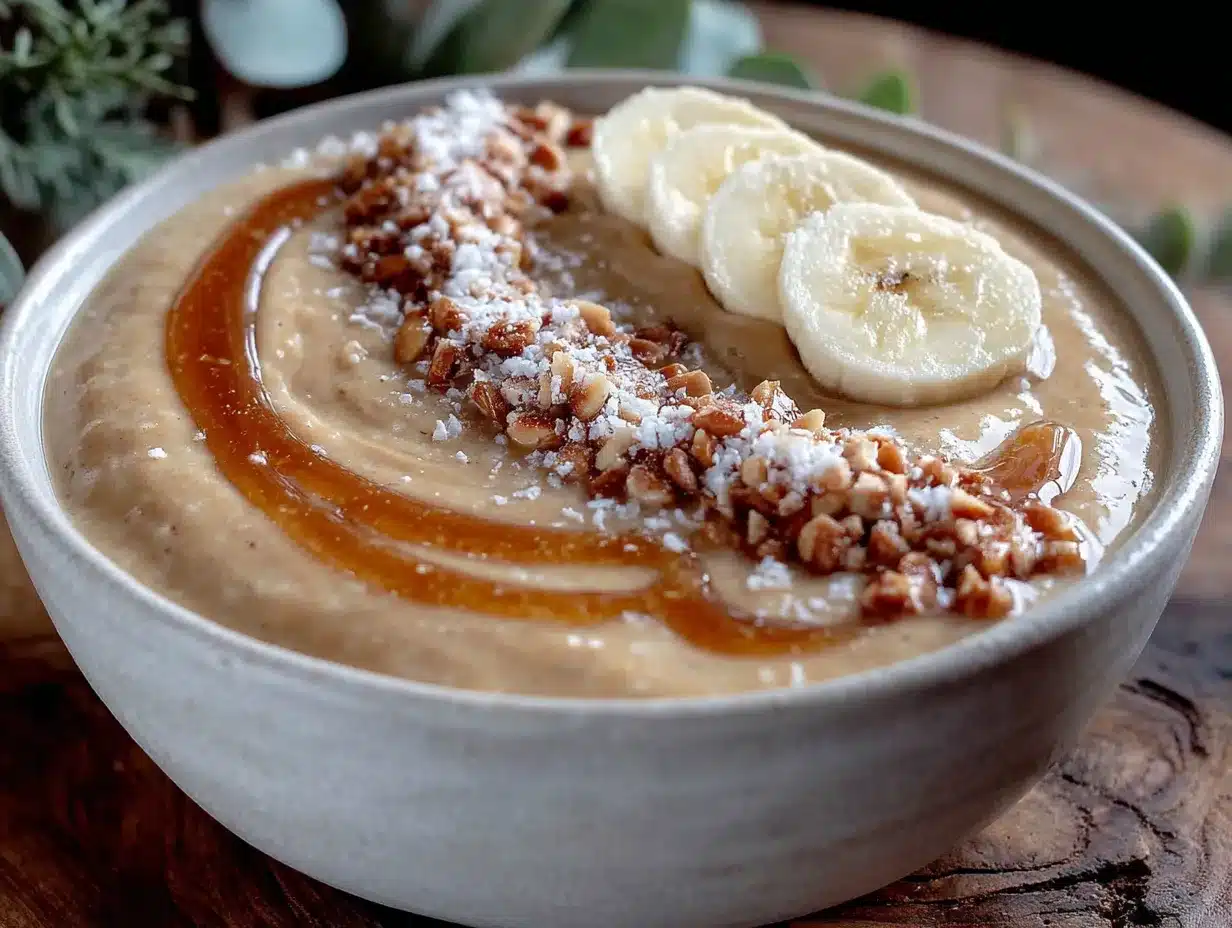
- Add your toppings. This is where you get creative. I usually start with granola for crunch, then add sliced banana, a sprinkle of chia seeds, and a drizzle of extra peanut butter. If I’m feeling fancy, I’ll add a few dark chocolate chips. The toppings aren’t just for looks—they add texture and flavor contrast that makes every spoonful interesting.
- Eat immediately. Smoothie bowls don’t wait. They’re best fresh, while the toppings are still crunchy and the base is cold and creamy. Grab a spoon and enjoy your five-minute masterpiece.
Pro tip: If you’re making this for meal prep, freeze the smoothie base in individual portions (without toppings) and thaw in the fridge overnight. Give it a good stir before adding toppings. It won’t be quite as thick, but it’s still delicious and saves you even more time in the morning.
Cooking Tips & Techniques
I’ve made this smoothie bowl so many times that I’ve learned a few things the hard way. Here’s what I wish someone had told me:
The frozen banana trick is everything. Seriously, this is the difference between a good smoothie bowl and a great one. When you freeze bananas, they become creamy and sweet, almost like ice cream. But here’s the thing—you need to peel them before freezing. I learned this after trying to peel a frozen banana and nearly losing a finger. Peel first, then freeze in a single layer on a baking sheet, then transfer to a bag. This way they don’t stick together and you can grab just what you need.
Don’t over-blend. I know it’s tempting to let the blender run until everything is perfectly smooth, but over-blending creates heat, which melts the frozen banana and makes your bowl thin. Blend just until everything comes together, then stop. The texture should be thick and creamy, not runny. If you hear your blender struggling, add liquid one tablespoon at a time until it moves. Patience is key here.
Layer your ingredients strategically. Liquids first, then soft ingredients, then frozen ingredients. This helps your blender work more efficiently and prevents the blade from getting stuck. I learned this after burning out a blender motor by putting frozen bananas in first. Expensive mistake. Liquids first, always.
Temperature matters. Your bowl should be cold when you eat it. If you’re using a warm bowl straight from the dishwasher, your smoothie bowl will start melting immediately. Pop your bowl in the freezer for five minutes before you start blending. It makes a surprising difference in how long your bowl stays thick and cold.
Multitasking is your friend. While your blender is running, slice your banana and get your toppings ready. That way, the moment your smoothie base is done, you can pour and top it immediately. This saves you about thirty seconds, but those thirty seconds matter when your smoothie bowl is melting.
Variations & Adaptations
One of the best things about this recipe is how flexible it is. Here are some of my favorite variations:
Chocolate Peanut Butter Dream: Swap the vanilla protein powder for chocolate, or add a tablespoon of cocoa powder. Top with chocolate chips and a drizzle of melted peanut butter. This version tastes like dessert but is actually good for you. I make this when I’m craving something sweet but don’t want to bake.
Berry Peanut Butter Bowl: Add ½ cup of frozen mixed berries to the blender along with everything else. The berries add antioxidants and a beautiful purple color. Top with fresh berries and a sprinkle of granola. The tartness of the berries balances the rich peanut butter perfectly.
Vegan Version: Use dairy-free yogurt (coconut or soy work best) and a plant-based protein powder. Swap honey for maple syrup. Everything else stays the same. This version is just as creamy and satisfying—I’ve served it to non-vegans who couldn’t tell the difference.
Lower Carb Option: Skip the banana and use ½ cup frozen cauliflower florets instead (trust me, you won’t taste it). Add an extra tablespoon of peanut butter and a splash more milk. The cauliflower adds creaminess without the carbs. I was skeptical too, but it actually works.
Extra Protein Punch: Add an extra scoop of protein powder (adjust milk as needed) or a tablespoon of hemp seeds. Top with a hard-boiled egg on the side if you’re really going for it. This version is perfect after a heavy workout when you need serious recovery fuel.
Serving & Storage Suggestions
Serving: Serve this smoothie bowl immediately, while it’s still cold and thick. I like to eat mine with a spoon, sitting down, preferably without looking at my phone. But if you’re in a rush, you can absolutely eat it standing over the kitchen counter—I’ve been there. The toppings add texture and visual appeal, so don’t skip them if you can help it. A drizzle of peanut butter on top makes it look like something from a fancy café.
What to serve with it: This bowl is a complete meal on its own, but if you’re extra hungry, pair it with a slice of whole-grain toast or a hard-boiled egg. A cup of coffee or green tea on the side completes the meal. For a fun weekend brunch, serve it alongside fluffy protein pancakes for a protein-packed spread that will keep you full for hours.
Storage: Smoothie bowls don’t store well once assembled—the toppings get soggy and the base melts. But you can prep the base ahead of time. Make the smoothie base (without toppings) and freeze it in individual containers. When you’re ready to eat, thaw it in the fridge overnight or at room temperature for about 20 minutes. Give it a good stir, add your toppings, and enjoy. It won’t be quite as thick as fresh, but it’s still delicious.
Reheating: You don’t reheat a smoothie bowl. If it’s too frozen, let it sit at room temperature for 10-15 minutes before eating. If you accidentally made it too thin, stir in a few ice cubes or a spoonful of chia seeds to thicken it up. No shame in saving a sad smoothie bowl—I’ve done it plenty of times.
Flavor development: The flavors actually meld together nicely if you let the base sit for a few minutes. The peanut butter flavor becomes more pronounced, and the banana sweetness spreads throughout. That said, don’t let it sit too long—you want it cold and thick, not room temperature and sad.
Nutritional Information & Benefits
Here’s the approximate nutritional breakdown for one serving (without toppings):
| Nutrient | Amount |
|---|---|
| Calories | 380 |
| Protein | 28g |
| Carbohydrates | 42g |
| Fiber | 8g |
| Fat | 16g |
| Sugar | 20g (natural from banana) |
| Potassium | 600mg |
This smoothie bowl is packed with nutrition. The banana provides potassium and natural energy, while the peanut butter adds healthy fats and protein that keep you full. Greek yogurt brings probiotics and calcium, and the protein powder helps with muscle recovery. The chia seeds on top add omega-3s and extra fiber. It’s a balanced meal that actually tastes good—no sad health food here.
Dietary considerations: This recipe is naturally gluten-free (check your protein powder and granola labels). It can be made dairy-free and vegan with simple swaps. It’s high in protein and fiber, making it great for post-workout recovery or a filling breakfast. If you’re watching your sugar intake, use an unsweetened protein powder and skip the honey—the banana provides enough sweetness on its own.
Potential allergens: Peanuts, dairy (if using Greek yogurt), and gluten (if your granola contains it). Always check labels if you’re serving someone with allergies. You can swap peanut butter for sunflower seed butter or almond butter if needed.
Frequently Asked Questions
Can I use fresh banana instead of frozen?
You can, but your smoothie bowl will be much thinner and won’t hold toppings well. If you only have fresh banana, add a handful of ice cubes to the blender to help thicken it up. The texture won’t be as creamy, but it’ll still taste good.
What protein powder works best?
Vanilla is the safest choice—it complements the peanut butter and banana without overpowering them. Chocolate works great too. I prefer plant-based protein powders because they blend smoothly, but whey works fine. Just make sure you actually like the taste of your protein powder, because it’s a major flavor component.
Can I make this without a blender?
Yes! Mash the banana well with a fork, then whisk in the peanut butter, yogurt, and milk until smooth. It won’t be as creamy, but it’ll still taste great. This is a good option if you’re traveling or your blender is broken.
How do I make it thicker?
Use less liquid—start with ¼ cup of milk instead of ½ cup, then add more as needed. You can also add more frozen banana or a few ice cubes. Chia seeds will thicken it up too, but they need about 10 minutes to work their magic. If your bowl is already too thin, stir in a spoonful of chia seeds and let it sit for a few minutes.
Can I prep this the night before?
I don’t recommend making the full smoothie bowl ahead of time—it’ll separate and get watery. But you can prep the ingredients: slice and freeze your banana, measure out your protein powder and peanut butter, and have your toppings ready. In the morning, just blend and go. It saves about two minutes, but every minute counts when you’re rushing.
Conclusion
Look, I know there are a million smoothie bowl recipes out there. But this one? It’s the one I keep coming back to, and I think you will too. It’s fast enough for the most chaotic mornings, satisfying enough to keep you full until lunch, and delicious enough that you’ll actually look forward to eating it. No sad health food here—just real, good food that happens to be good for you.
I love this recipe because it reminds me that you don’t need to spend hours in the kitchen to eat well. Sometimes the best meals come from what you already have, made in a hurry, with love and a little bit of desperation. That potluck disaster turned into my favorite breakfast, and I hope it becomes one of yours too.
So go ahead—grab that frozen banana, dig out the peanut butter, and give it a try. Top it with whatever you have on hand. Make it your own. And when you do, come back and tell me about it. I’d love to hear how your version turned out. Drop a comment below, share your creation on social media, or send me a message. Happy blending, friend.
Pin This Recipe!
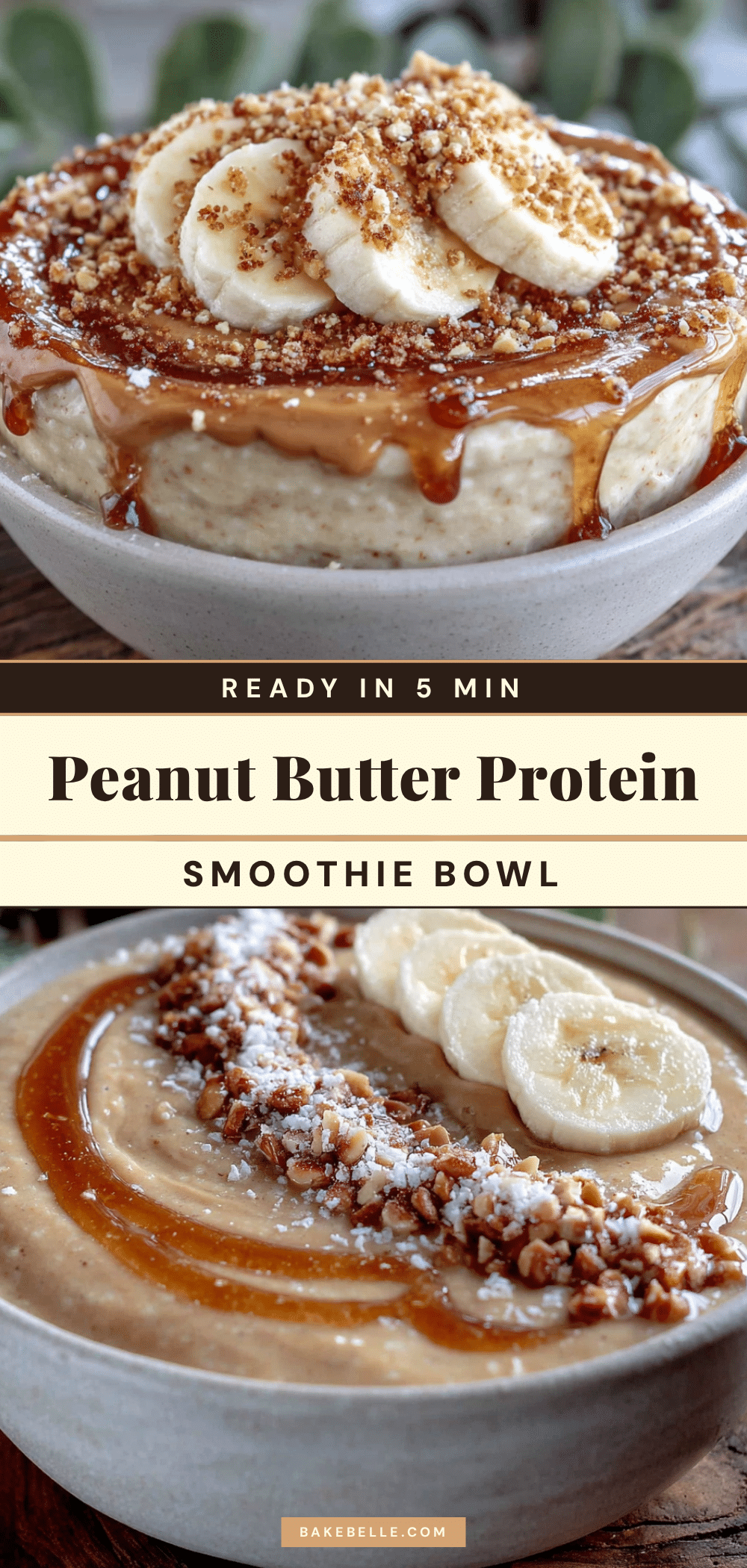
5-Minute Peanut Butter Protein Smoothie Bowl
A quick and easy smoothie bowl made with frozen banana, peanut butter, Greek yogurt, and protein powder. Perfect for busy mornings or post-workout refueling.
- Prep Time: 5 minutes
- Cook Time: 0 minutes
- Total Time: 5 minutes
- Yield: 1 serving 1x
- Category: Breakfast
- Cuisine: American
Ingredients
- 1 large ripe banana, frozen
- 2 tablespoons creamy peanut butter
- 1 scoop vanilla protein powder
- ½ cup unsweetened almond milk
- ¼ cup plain Greek yogurt
- 1 teaspoon honey or maple syrup (optional)
- 2 tablespoons granola (for topping)
- 1 tablespoon chia seeds or hemp seeds (for topping)
- Sliced banana or fresh berries (for topping)
- Extra peanut butter for drizzling (for topping)
- Dark chocolate chips or cacao nibs (for topping)
Instructions
- Grab your frozen banana. If you haven’t frozen your banana yet, peel it first, then freeze it in a bag or container.
- Add everything to the blender. Start with the almond milk, then add the frozen banana (break it into chunks if it’s a big one), the peanut butter, the Greek yogurt, and the protein powder. If you’re using honey or maple syrup, add it now.
- Blend until smooth. Start on low speed to break up the banana, then increase to high. Stop and scrape down the sides once or twice. The mixture should be thick and creamy, like soft-serve ice cream. If it’s too thick, add a tablespoon more milk. If it’s too thin, add a few ice cubes or another frozen banana chunk. This takes about 30-45 seconds total.
- Taste and adjust. Dip a clean spoon in and taste it. Does it need more peanut butter? A pinch of salt? A little extra sweetener? Adjust now before you pour it into a bowl.
- Pour into a bowl. Use your spatula to get every last bit out of the blender. The mixture should be thick enough to hold its shape when you spoon it into the bowl.
- Add your toppings. Start with granola for crunch, then add sliced banana, a sprinkle of chia seeds, and a drizzle of extra peanut butter. If you’re feeling fancy, add a few dark chocolate chips.
- Eat immediately. Smoothie bowls don’t wait. They’re best fresh, while the toppings are still crunchy and the base is cold and creamy.
Notes
Frozen banana is non-negotiable for the texture. Fresh banana will give you a thin bowl that won’t hold toppings. For meal prep, freeze the smoothie base in individual portions (without toppings) and thaw in the fridge overnight. Give it a good stir before adding toppings.
Nutrition
- Serving Size: 1 bowl
- Calories: 380
- Sugar: 20
- Sodium: 300
- Fat: 16
- Saturated Fat: 3
- Carbohydrates: 42
- Fiber: 8
- Protein: 28
Keywords: smoothie bowl, peanut butter, protein, banana, quick breakfast, healthy breakfast, post-workout