Introduction
My husband claimed he hated shrimp for fifteen years. Fifteen years. He’d push them to the side of his plate at restaurants, make a face at the mention of shrimp cocktail, and politely decline whenever I suggested a seafood pasta. I stopped trying to convince him somewhere around year seven. Then last Tuesday happened. I was rushing to get dinner on the table between soccer practice and a school meeting, and I had exactly fifteen minutes and a bag of frozen shrimp in the freezer. I made this easy garlic butter shrimp pasta just for myself, figuring I’d have leftovers for lunch the next day. I turned my back to drain the pasta, and when I turned around, he was standing at the stove with a fork in his hand, chewing thoughtfully. “This is actually really good,” he said, reaching for another bite. I didn’t say a word. I just handed him a bowl.
That’s the thing about this recipe, honestly. It doesn’t try to convince anyone of anything. It just shows up, smells incredible, and tastes like something you’d order at a nice restaurant—except it costs a fraction of the price and comes together in the time it takes to boil water. I mean, let’s face it, we’re all looking for meals that check every box: fast, affordable, and genuinely delicious enough to win over even the most stubborn skeptics. Maybe you’ve been there too, trying to please a household with different tastes and not much time to make it happen.
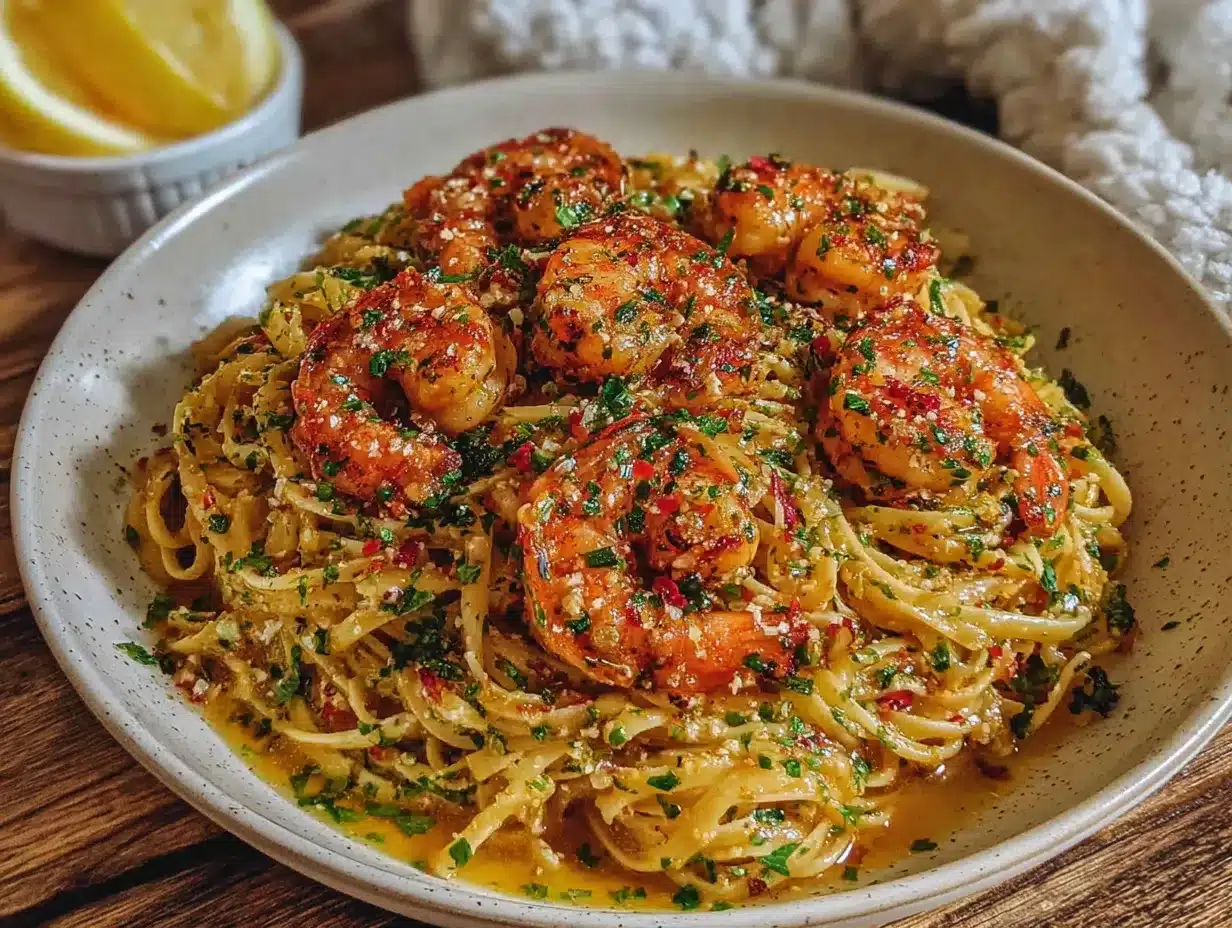
The secret is in the simplicity. Good butter, lots of garlic, a splash of lemon, and perfectly cooked shrimp coated in a silky sauce that clings to every strand of pasta. It’s the kind of recipe I keep coming back to because it never lets me down. And honestly? It’s the meal that finally proved me right without me having to say a single word.
Why You’ll Love This Recipe
This isn’t just another pasta recipe. After testing this dish at least a dozen times—adjusting the garlic ratio, experimenting with different pasta shapes, and figuring out the exact timing for perfectly tender shrimp—I can confidently say this version is the one. It’s been family-approved by my picky eaters, my in-laws, and even that one friend who “doesn’t really like pasta.” Here’s why it works:
- Quick & Easy: From fridge to table in 15 minutes flat. No marinating, no complicated techniques, no stress. This is the dinner you make when you forgot to plan dinner.
- Simple Ingredients: You probably already have garlic, butter, lemon, and pasta in your kitchen. The shrimp is the only special item, and frozen works beautifully.
- Perfect for Busy Weeknights: This is the meal that saves you on those chaotic evenings when everyone is hungry and you haven’t even started cooking yet.
- Crowd-Pleaser: Even self-proclaimed shrimp haters have been converted. The garlic butter sauce is so rich and flavorful that it wins everyone over.
- Unbelievably Delicious: The shrimp stays tender and juicy, the sauce coats every strand of pasta, and the lemon adds just enough brightness to keep you coming back for more.
What makes this recipe different from all the other garlic shrimp pasta recipes out there? It’s the technique. Most recipes overcook the shrimp or end up with a watery sauce. I’ve figured out the exact method to get that restaurant-quality finish at home—drying the shrimp thoroughly, cooking them just until pink, and building the sauce right in the same pan so every drop of flavor gets absorbed into the pasta.
This is comfort food that doesn’t weigh you down. It’s light enough for a summer evening but satisfying enough for a cold winter night. And the best part? It costs about half of what you’d pay for takeout, and it’s ready faster than delivery.
What Ingredients You Will Need
This recipe uses simple, everyday ingredients to deliver big flavor without any fuss. Most of these are probably already in your pantry or fridge, which makes this one of those lifesaver meals you can pull together anytime.
- 12 oz linguine or spaghetti – I prefer linguine because the flat shape catches more sauce, but any long pasta works beautifully. Barilla is my go-to brand for consistent texture.
- 1 lb large shrimp, peeled and deveined – Look for 21-25 count shrimp, which means you get about 21 to 25 shrimp per pound. Frozen shrimp works perfectly here—just thaw them in cold water for a few minutes before starting. I always keep a bag in my freezer for nights like this.
- 4 tablespoons unsalted butter – Don’t skimp on quality here. Good butter makes a noticeable difference in the sauce. I use Kerrygold when I want something extra rich.
- 6 cloves garlic, minced – Fresh garlic is non-negotiable for this recipe. The pre-minced stuff in jars just doesn’t deliver the same punch. If your cloves are small, use 8 instead.
- 1/4 teaspoon red pepper flakes – This adds a gentle warmth, not heat. Leave it out if you’re cooking for little ones who are sensitive to spice, or add a pinch more if you like a kick.
- 1/2 cup dry white wine – A Pinot Grigio or Sauvignon Blanc works great. The alcohol cooks off, leaving behind a lovely acidity that balances the butter. You can substitute with chicken broth if you prefer not to use wine.
- 1/3 cup fresh lemon juice – About 2 lemons. Roll them on the counter before juicing to get the most out of them. Bottled lemon juice won’t give you the same bright, fresh flavor.
- 1/2 cup reserved pasta water – This is liquid gold. The starchy water helps the sauce cling to the pasta and gives it that silky, cohesive texture.
- 1/3 cup fresh parsley, chopped – Flat-leaf parsley has more flavor than the curly kind. Save a little for garnish at the end.
- Salt and black pepper to taste – I use kosher salt for cooking and flaky sea salt for finishing. Freshly cracked black pepper makes a difference here.
- Freshly grated Parmesan cheese for serving – Please grate it yourself. The pre-shredded stuff has anti-caking agents that prevent it from melting smoothly into the sauce.
Equipment Needed
You don’t need fancy equipment for this recipe, which is part of its beauty. Here’s what you’ll need:
- Large pot – For boiling the pasta. Make sure it’s big enough to give the pasta room to move around.
- Large skillet or sauté pan – A 12-inch skillet is ideal. You need enough surface area to cook the shrimp in a single layer without crowding them.
- Colander – For draining the pasta. Don’t forget to save that pasta water first!
- Measuring cups and spoons – Precision matters with the wine and lemon juice to get the balance right.
- Garlic press or sharp knife – I use a garlic press when I’m in a hurry, but mincing by hand gives you more control over the size. A microplane also works beautifully.
- Tongs – For tossing the pasta with the sauce. They make it so much easier to coat everything evenly.
- Cutting board – For prepping your garlic, parsley, and lemons.
If you don’t have a garlic press, honestly, just mince it finely with a knife. And if you don’t have a large skillet, a Dutch oven works just as well. I’ve made this in a cramped college kitchen with a single pot and a butter knife, and it still turned out great.
Preparation Method
Let me walk you through this step by step. The timing is tight, so I recommend having everything prepped and ready before you start cooking. Trust me on this one—it makes the whole process so much smoother.
- Bring a large pot of salted water to a rolling boil. Add about 2 tablespoons of salt—the water should taste like the sea. This is your only chance to season the pasta from the inside out. Add your linguine and cook according to package directions until al dente, usually about 8 to 10 minutes. Stir occasionally to prevent sticking.
- While the pasta cooks, pat your shrimp completely dry with paper towels. This step is crucial. Wet shrimp won’t brown properly, and they’ll steam instead of sear. Season them generously with salt and pepper. I can’t stress this enough—dry shrimp are happy shrimp.
- About 2 minutes before the pasta is done, start the sauce. Heat a large skillet over medium-high heat. Add 2 tablespoons of the butter and let it melt until it’s sizzling but not browning. Add the shrimp in a single layer—work in batches if you need to, but I find one pound fits perfectly in a 12-inch pan. Cook for 1 to 2 minutes per side until they’re pink and opaque. They should have a nice golden-brown color on the outside. Transfer the cooked shrimp to a plate and set aside.
- Reduce the heat to medium and add the remaining 2 tablespoons of butter. Toss in the minced garlic and red pepper flakes. Cook for about 30 seconds, stirring constantly, until the garlic is fragrant. Be careful not to let it burn—burnt garlic turns bitter and will ruin the whole dish. I learned this the hard way, let me tell you.
- Pour in the white wine and lemon juice, scraping up any browned bits from the bottom of the pan. This is called deglazing, and it’s where all that flavor lives. Let the liquid simmer for about 2 minutes until it reduces slightly and looks a little syrupy.
- By now, your pasta should be done. Reserve 1/2 cup of the pasta water before draining. Drain the pasta well—you don’t want excess water diluting your sauce.
- Add the drained pasta directly to the skillet with the sauce. Toss everything together using tongs, adding the reserved pasta water a little at a time until the sauce coats the pasta beautifully. You may not need all of it. The starch in the water helps the sauce cling to every strand.
- Return the cooked shrimp to the skillet and toss gently to combine. Add the chopped parsley and give everything one final toss. Taste and adjust seasoning with salt and pepper if needed.
- Serve immediately with freshly grated Parmesan cheese on top and a sprinkle of extra parsley for color. A lemon wedge on the side is a nice touch for anyone who wants extra brightness.
Your kitchen should smell absolutely incredible at this point. The whole process takes about 15 minutes from start to finish, and the payoff is a plate of pasta that tastes like you spent hours on it.
Cooking Tips & Techniques
After making this dish more times than I can count, I’ve picked up a few tricks that make a real difference. Let me share what I’ve learned.
Don’t overcook the shrimp. This is the number one mistake people make. Shrimp cook incredibly fast—literally in minutes. The moment they turn pink and curl into a loose C shape, they’re done. If they curl into a tight O, they’re overcooked and will be rubbery. Remove them from the pan as soon as they’re cooked through, even if you think they might need another 30 seconds. They’ll continue cooking slightly from the residual heat.
Save that pasta water. I cannot emphasize this enough. The starchy pasta water is the secret to a silky, restaurant-quality sauce. It helps emulsify the butter and creates a beautiful coating on the pasta. If you forget to save it, you’ll end up with a sauce that’s too thin or too greasy. I’ve done it, and it’s not pretty.
Work quickly once the pasta is done. Pasta waits for no one. Have your sauce ready and waiting in the skillet before you drain the pasta. The moment it’s drained, it should go straight into the sauce. Cold pasta clumps together and doesn’t absorb flavor the same way.
Taste as you go. This is something professional chefs do instinctively, but home cooks often skip. Taste your sauce before adding the pasta. Does it need more salt? More lemon? Adjust it now, not after everything is combined.
Use cold butter for the sauce. If you want an even richer, glossier sauce, try adding the second half of the butter straight from the fridge. The cold butter emulsifies into the wine and lemon juice more effectively, creating a luscious, creamy texture without any cream.
Variations & Adaptations
One of the best things about this recipe is how adaptable it is. Here are some variations I’ve tried and loved:
Dairy-Free Version: Swap the butter for a good quality olive oil—about 3 tablespoons should do it. Use a dairy-free Parmesan alternative or skip the cheese entirely. The garlic and lemon are strong enough to carry the flavor. I’ve made this for dairy-free friends and they couldn’t tell the difference.
Gluten-Free Option: Use your favorite gluten-free pasta. I’ve had good results with chickpea pasta and brown rice pasta. Just be careful not to overcook it—gluten-free pasta can go from al dente to mushy very quickly. The sauce works exactly the same way.
Vegetable-Packed Version: Add a handful of fresh spinach or a cup of cherry tomatoes halved. Toss the spinach in at the end and let it wilt from the heat of the pasta. For the tomatoes, add them right after the garlic and let them soften before adding the wine. This is my go-to when I want to sneak in extra veggies for the kids.
Spicy Kick: Double the red pepper flakes or add a finely chopped fresh chili pepper along with the garlic. A drizzle of chili oil at the end takes it to another level if you’re a heat lover like me.
Protein Swap: No shrimp? No problem. Diced chicken breast works beautifully—just cook it through before starting the garlic. Scallops are another excellent option, though they cook even faster than shrimp. For a vegetarian version, try chunks of firm tofu pan-fried until golden.
Serving & Storage Suggestions
This dish is best served immediately, hot out of the skillet. The shrimp are at their most tender, the pasta is perfectly coated, and the sauce hasn’t had time to soak in and get absorbed. I like to serve it in wide, shallow bowls with a generous sprinkle of Parmesan and a few extra parsley leaves on top.
For sides, a simple green salad with lemon vinaigrette is all you need. The brightness of the salad complements the rich butter sauce perfectly. Crusty bread is also a great idea—you’ll want something to soak up every last drop of that garlic butter sauce from the bottom of the bowl.
If you have leftovers, store them in an airtight container in the refrigerator for up to 2 days. The shrimp will lose some of their texture upon reheating, but the flavor will still be delicious. To reheat, add a splash of water or chicken broth to a skillet and warm the pasta over medium-low heat, tossing gently. Avoid the microwave—it tends to make shrimp rubbery and unevenly heats the pasta.
I don’t recommend freezing this dish. The shrimp become tough and watery when thawed, and the sauce can separate. This is one of those recipes that’s so quick to make, you’re better off preparing it fresh whenever the craving strikes.
Nutritional Information & Benefits
Here’s an approximate nutritional breakdown per serving, based on four servings:
- Calories: 485
- Protein: 32g
- Fat: 18g
- Carbohydrates: 48g
- Fiber: 3g
- Sodium: 680mg
Shrimp is an excellent source of lean protein and contains important nutrients like selenium, vitamin B12, and iodine. It’s low in calories and saturated fat, making it a heart-healthy choice when prepared with moderation. The garlic in this recipe isn’t just for flavor—it contains allicin, a compound known for its anti-inflammatory and immune-boosting properties. And that fresh lemon juice provides a good dose of vitamin C.
This recipe is naturally low in sugar and can be made gluten-free or dairy-free with simple substitutions. It’s also a great option for those following a Mediterranean-style diet. The portion size is satisfying without being heavy, making it a smart choice for a weeknight dinner that won’t leave you feeling sluggish.
Conclusion
This easy garlic butter shrimp pasta has become my go-to for so many reasons. It’s fast enough for the busiest weeknights, affordable enough to make any night of the week, and delicious enough to convert even the most stubborn shrimp skeptics. I mean, if it worked on my husband after fifteen years of resistance, it can work on anyone.
I hope you give this recipe a try and make it your own. Add extra garlic if you’re a garlic lover like me. Throw in some vegetables if you’re trying to clean out the fridge. Adjust the spice level to match your family’s preferences. That’s the beauty of a simple, well-built recipe—it’s a foundation you can build on.
I’d love to hear how it turns out for you! Drop a comment below and let me know if you had any converts at your dinner table. Did anyone get caught sneaking bites before dinner was served? Share your stories—I promise I won’t judge. And if you’ve got a variation that worked beautifully, please share that too. Happy cooking, friends!
Frequently Asked Questions
Can I use frozen shrimp without thawing it first?
I don’t recommend it. Frozen shrimp will release too much water into the pan, which prevents them from browning and makes the sauce watery. Thaw them quickly by placing them in a bowl of cold water for about 5 to 10 minutes, then pat them dry thoroughly before cooking.
What can I use instead of white wine?
Chicken or vegetable broth works perfectly as a substitute. Add a teaspoon of lemon juice or white wine vinegar to mimic the acidity that wine provides. The flavor will be slightly different but still delicious.
How do I know when the shrimp is fully cooked?
Cooked shrimp turn pink and opaque all the way through. They should curl into a loose C shape. If they’re still gray or translucent in the center, they need more time. If they’ve curled into a tight O, they’re overcooked.
Can I make this recipe ahead of time?
This dish is best served fresh, but you can prep the ingredients in advance. Peel and devein the shrimp, mince the garlic, chop the parsley, and juice the lemons up to a day ahead. Store everything in the refrigerator, then cook when you’re ready to eat.
How do I prevent the garlic from burning?
Keep the heat at medium and add the garlic after removing the shrimp from the pan. Stir it constantly for about 30 seconds until fragrant. If your pan is too hot, the garlic will burn in seconds. When in doubt, lower the heat and take your time.
Pin This Recipe!
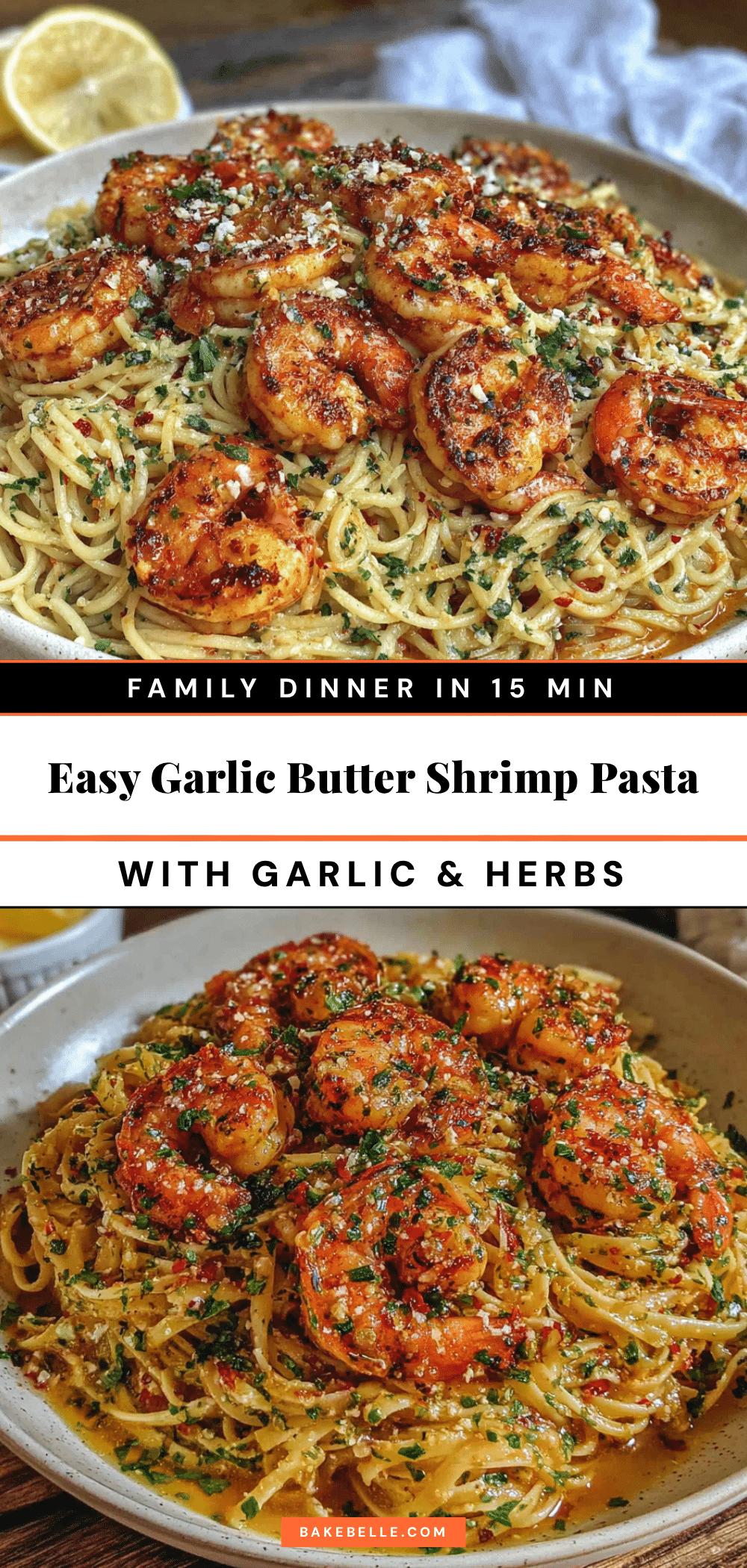
Easy 15-Minute Garlic Butter Shrimp Pasta
A quick and delicious garlic butter shrimp pasta that comes together in just 15 minutes, perfect for busy weeknights. This recipe features tender shrimp, a rich garlic butter sauce, and a splash of lemon, all coating perfectly cooked linguine.
- Prep Time: 5 minutes
- Cook Time: 10 minutes
- Total Time: 15 minutes
- Yield: 4 servings 1x
- Category: Main Course
- Cuisine: Italian-American
Ingredients
- 12 oz linguine or spaghetti
- 1 lb large shrimp, peeled and deveined (21–25 count)
- 4 tablespoons unsalted butter
- 6 cloves garlic, minced
- 1/4 teaspoon red pepper flakes
- 1/2 cup dry white wine (e.g., Pinot Grigio or Sauvignon Blanc)
- 1/3 cup fresh lemon juice (about 2 lemons)
- 1/2 cup reserved pasta water
- 1/3 cup fresh parsley, chopped
- Salt and black pepper to taste
- Freshly grated Parmesan cheese for serving
Instructions
- Bring a large pot of salted water to a rolling boil. Add about 2 tablespoons of salt. Add linguine and cook according to package directions until al dente, about 8 to 10 minutes. Stir occasionally.
- While pasta cooks, pat shrimp completely dry with paper towels. Season generously with salt and pepper.
- About 2 minutes before pasta is done, heat a large skillet over medium-high heat. Add 2 tablespoons butter and let it melt until sizzling. Add shrimp in a single layer and cook for 1 to 2 minutes per side until pink and opaque. Transfer to a plate.
- Reduce heat to medium and add remaining 2 tablespoons butter. Add minced garlic and red pepper flakes. Cook for about 30 seconds, stirring constantly, until fragrant.
- Pour in white wine and lemon juice, scraping up browned bits from the pan. Let simmer for about 2 minutes until slightly reduced.
- Reserve 1/2 cup pasta water before draining pasta. Drain well.
- Add drained pasta to the skillet with the sauce. Toss with tongs, adding reserved pasta water a little at a time until sauce coats the pasta.
- Return cooked shrimp to the skillet and toss gently. Add chopped parsley and toss again. Adjust seasoning with salt and pepper.
- Serve immediately with freshly grated Parmesan cheese and extra parsley. Optionally, add a lemon wedge on the side.
Notes
Pat shrimp dry thoroughly to ensure proper browning. Save pasta water for a silky sauce. Work quickly once pasta is done. Taste sauce before adding pasta. For a richer sauce, add the second half of butter straight from the fridge. Do not overcook shrimp; they should curl into a loose C shape.
Nutrition
- Serving Size: 1 serving
- Calories: 485
- Sugar: 2
- Sodium: 680
- Fat: 18
- Saturated Fat: 10
- Carbohydrates: 48
- Fiber: 3
- Protein: 32
Keywords: garlic butter shrimp pasta, easy shrimp pasta, 15 minute pasta, weeknight dinner, shrimp recipe, garlic butter sauce