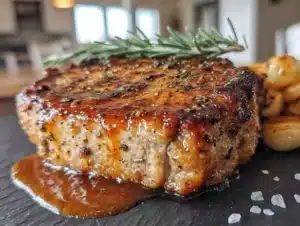
This was supposed to be a completely different dinner. I had planned a light spring braise—something with white wine, leeks, and maybe some fresh peas if I could find decent ones at the market. But Tuesday afternoon hit me like a truck. The grocery run got pushed back, the weather turned gray and chilly, and honestly, I was just tired. I grabbed what I had in the fridge and pantry without thinking. A chuck roast that needed cooking. Some carrots that were starting to look a little sad. A few parsnips from the bottom of the crisper drawer. And then I saw the bottle of red wine I’d opened for pasta the night before. I figured, why not? I tossed everything into my Dutch oven, poured in some broth, and let it do its thing on the stove while I folded laundry and tried to remember if I’d paid the electric bill.
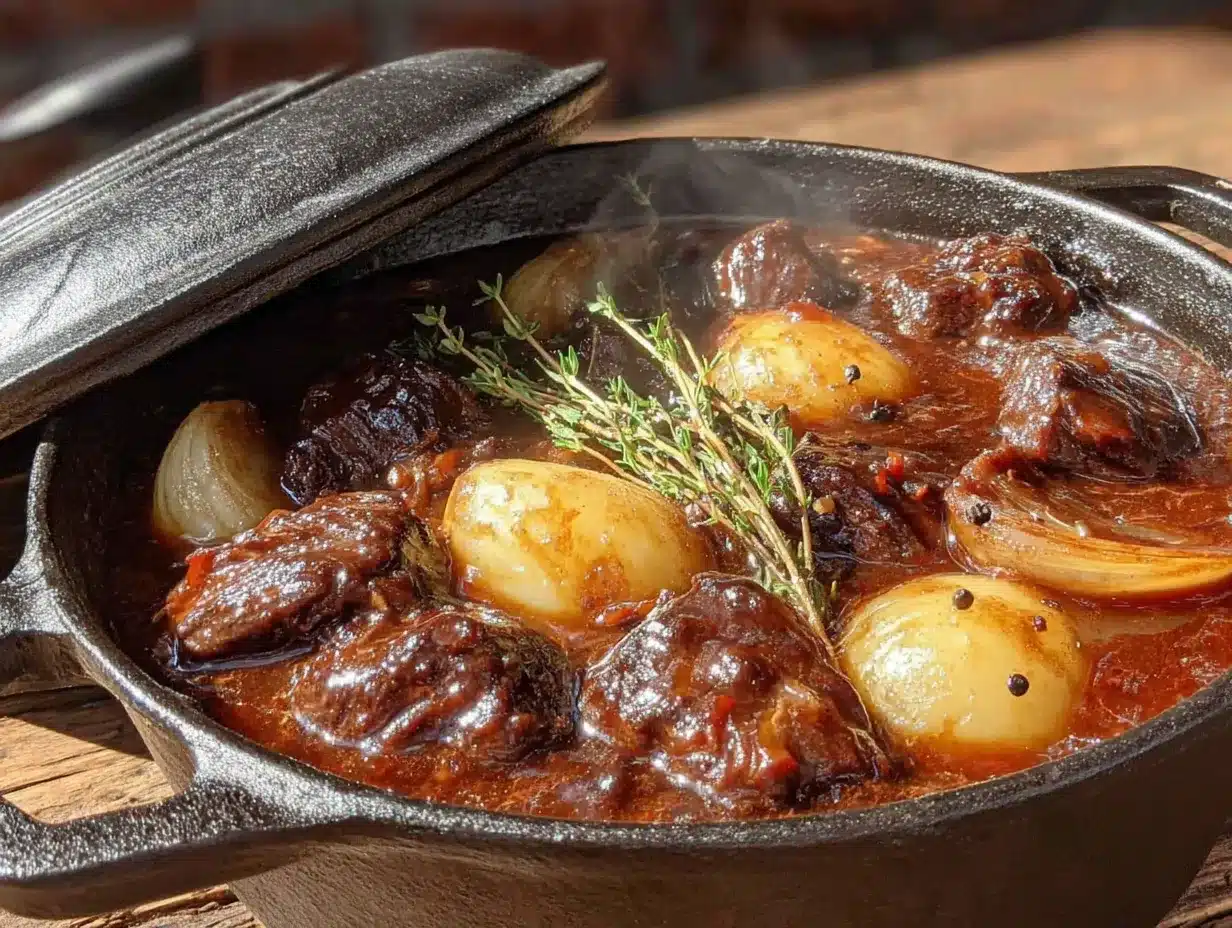
An hour later, the smell coming from the kitchen was something else. Rich, deep, almost sweet—but in a savory way. I peeked under the lid and saw the beef had turned that deep mahogany color you only get from slow cooking. The vegetables were swimming in a broth that looked like liquid velvet. I grabbed a spoon and tasted it. And then I stood there for a solid minute, just staring at the pot. Because this accidental, thrown-together, I-don’t-have-time-for-this stew was better than anything I’d planned. Let me tell you, I’ve made a lot of stews in my day. Some were good. Some were fine. This one? This one was the kind you remember.
That’s how this wholesome Dutch oven beef stew with root vegetables was born. Not from a carefully tested recipe or a family tradition passed down through generations. From a distracted Tuesday and a happy accident. And I keep making it because it works every single time. Maybe you’ve been there—the night you stopped trying so hard and something beautiful happened in the kitchen anyway. That’s this stew.
Why You’ll Love This Recipe
I’ve tested this recipe more times than I care to count. I’ve made it with different cuts of beef, different root vegetables, different cooking times. I’ve burned the bottom of one batch (don’t ask) and under-seasoned another. But this version—the one I’m sharing with you—is the one that finally felt right. Here’s why it stands out from every other beef stew recipe you’ve seen.
- Simple Ingredients, Big Flavor: You don’t need anything fancy. Chuck roast, carrots, potatoes, onions, a few pantry spices. That’s it. No expensive wine or hard-to-find herbs. Just good, honest food that works together.
- One Pot, Minimal Mess: Everything happens in the Dutch oven. Searing, sautéing, simmering—all in one pot. Less cleanup, more time for you to relax while dinner cooks itself.
- Perfect for Busy Weeknights: The active prep time is about 20 minutes. After that, the oven does all the work. You can walk away, help with homework, or just sit down for a minute.
- Hearty and Satisfying: This stew is a complete meal in a bowl. Protein, vegetables, and a rich broth that fills you up without weighing you down. It’s comfort food that actually makes you feel good.
- Crowd-Pleaser Approved: I’ve served this to my picky neighbor, my dad who claims he doesn’t like stew, and a table full of friends. Every single person asked for seconds. It’s that kind of recipe.
What makes this recipe different is the technique. Most stew recipes have you dump everything in and hope for the best. But I’ve learned that taking a few extra minutes to sear the beef properly and sauté the vegetables first makes all the difference. It builds layers of flavor that you just can’t get from shortcuts. And the root vegetables? They hold their shape perfectly after hours of cooking, giving you that tender-but-not-mushy texture we all want. This isn’t just another stew recipe. It’s the one you’ll come back to again and again.
What Ingredients You Will Need
This recipe uses simple, wholesome ingredients that you can find at any grocery store. The magic isn’t in exotic items—it’s in how they work together. Here’s everything you’ll need, along with a few notes from my own testing.
For the Beef and Seasoning
- 2 pounds beef chuck roast, cut into 1.5-inch cubes (look for nice marbling—it keeps the meat tender during long cooking)
- 1 teaspoon kosher salt (I use Diamond Crystal; if using table salt, reduce to ¾ teaspoon)
- ½ teaspoon black pepper, freshly ground
- 2 tablespoons all-purpose flour (helps thicken the broth and gives the beef a nice crust when searing)
- 2 tablespoons olive oil (or any neutral oil with a high smoke point)
For the Aromatics and Vegetables
- 1 large yellow onion, diced (about 1.5 cups)
- 4 cloves garlic, minced (fresh is best, but jarred works in a pinch)
- 3 medium carrots, peeled and cut into 1-inch chunks
- 3 medium parsnips, peeled and cut into 1-inch chunks (adds a subtle sweetness you don’t get from carrots alone)
- 2 medium russet potatoes, peeled and cut into 1-inch chunks (Yukon Golds work great too—they hold their shape better)
- 2 stalks celery, sliced into ½-inch pieces
For the Broth and Flavor Base
- 3 cups beef broth (low-sodium is best so you can control the salt level)
- 1 cup dry red wine (I use a Cabernet Sauvignon or Merlot—nothing fancy, just something you’d drink)
- 2 tablespoons tomato paste (adds depth and a touch of acidity)
- 2 bay leaves (remove before serving)
- 1 teaspoon dried thyme (or 3 sprigs fresh if you have them)
- 1 teaspoon smoked paprika (gives the stew a subtle smokiness that’s incredible)
Ingredient Notes from My Kitchen: I’ve tried this with stew meat from the store, and honestly, it’s hit or miss. Chuck roast is more reliable because it has enough fat to stay tender. If you can find it, look for a roast with good marbling. For the wine, don’t use anything labeled “cooking wine”—it has added salt and preservatives that mess with the flavor. Just grab a bottle of dry red wine you’d enjoy drinking. And about the parsnips—if you’ve never cooked with them, they’re like a cross between a carrot and a potato, with a slightly sweet, earthy flavor. They’re not essential, but they really make this stew special. If you can’t find them, add an extra carrot and potato instead.
Equipment Needed
You don’t need a kitchen full of fancy gadgets for this recipe. Here’s what I use and what you can substitute if needed.
- Dutch Oven (6 to 7-quart): This is the star of the show. I use a Lodge enameled cast iron Dutch oven that I’ve had for years. It distributes heat evenly and retains it beautifully. If you don’t have one, a heavy-bottomed pot with a tight-fitting lid works fine—just keep an eye on the heat.
- Sharp Chef’s Knife: A good knife makes cutting beef and vegetables so much easier. I use a 8-inch Wüsthof, but any sharp knife will do. Dull knives are dangerous—they slip more easily.
- Cutting Board: Wood or plastic, doesn’t matter. Just make sure it’s stable and big enough to hold all your ingredients.
- Wooden Spoon or Spatula: For stirring and scraping up those browned bits from the bottom of the pot. Those bits are pure flavor.
- Measuring Cups and Spoons: For accuracy, especially with the broth and wine.
- Tongs: For flipping the beef cubes while searing. Much easier than a fork.
Budget-Friendly Tip: If you’re new to Dutch ovens, check thrift stores or online marketplaces. I found my first one for $15 at a garage sale. It had a small chip on the lid, but it worked perfectly for years. You don’t need the most expensive equipment—just something that holds heat well.
Preparation Method
Let’s get cooking. This method takes about 20 minutes of active prep, then the oven does the rest. I’ve included time estimates and sensory cues so you know exactly what to look for at each stage.
- Preheat your oven to 325°F (165°C). Position the rack in the lower third of the oven. This ensures even heat distribution around the pot.
- Prep the beef. Pat the chuck roast cubes dry with paper towels. This is important—wet meat won’t sear properly. In a large bowl, toss the beef with the salt, pepper, and flour until evenly coated. Let it sit for 5 minutes while you heat the oil.
- Sear the beef in batches. Heat 1 tablespoon of olive oil in your Dutch oven over medium-high heat until it shimmers. Add half the beef cubes in a single layer—don’t crowd the pot. Let them sear without moving for 3-4 minutes, until the bottom is deep brown. Flip with tongs and sear the other side for 2-3 minutes. Transfer to a plate. Repeat with remaining oil and beef. Sensory cue: You should hear a steady sizzle, not a frantic pop. If the pot starts smoking, the heat is too high.
- Sauté the aromatics. Reduce heat to medium. Add the diced onion to the pot and cook for 4-5 minutes, stirring occasionally, until soft and translucent. Scrape up any browned bits from the bottom—that’s flavor. Add the garlic and cook for 1 minute more, until fragrant.
- Build the flavor base. Stir in the tomato paste and smoked paprika. Cook for 1-2 minutes, stirring constantly, until the paste darkens slightly and smells rich. Sensory cue: The paste will go from bright red to a deeper brick red, and the smell will become almost sweet.
- Deglaze the pot. Pour in the red wine, stirring vigorously to scrape up any remaining browned bits from the bottom. Let it simmer for 2-3 minutes, until reduced by about half. Sensory cue: The wine will go from smelling sharp and alcoholic to mellow and fruity.
- Add the vegetables and broth. Return the seared beef and any accumulated juices to the pot. Add the carrots, parsnips, potatoes, celery, bay leaves, and dried thyme. Pour in the beef broth. Stir everything together gently.
- Bring to a simmer. Increase heat to high and bring the liquid to a gentle simmer—you should see small bubbles breaking the surface, not a rolling boil. This takes about 5-7 minutes.
- Cover and transfer to the oven. Put the lid on the Dutch oven and place it in the preheated oven. Cook for 1 hour and 45 minutes to 2 hours, until the beef is fork-tender and the vegetables are soft but still holding their shape. Sensory cue: When it’s done, the broth will be thick enough to coat the back of a spoon, and the beef will shred easily with a fork.
- Rest and serve. Remove the pot from the oven and let it rest, lid on, for 10-15 minutes. Remove the bay leaves. Taste and adjust seasoning with more salt and pepper if needed. Serve hot.
My Personal Tip: I used to rush the searing step because I was impatient. Big mistake. Those browned bits on the bottom of the pot are where the flavor lives. Take your time. Let the beef develop that deep crust before you move it. Your patience will be rewarded with a stew that tastes like it simmered all day—even though it only took about 2 hours.
Cooking Tips & Techniques
I’ve made every mistake in the book with beef stew. Here’s what I’ve learned so you don’t have to repeat my failures.
Don’t Skip the Searing: I know it’s tempting to just dump everything in and let it cook. But searing the beef creates the Maillard reaction—that chemical process that gives meat its deep, savory flavor. Without it, your stew will taste flat. Trust me, I’ve tried the shortcut. It’s not worth it.
Cut Vegetables Evenly: This is one of those little things that makes a big difference. If your potato chunks are different sizes, some will be mushy while others are still hard. Aim for 1-inch pieces across all the vegetables. Use a ruler if you have to—I’ve done it.
Watch Your Oven Temperature: Every oven runs a little differently. If your stew is bubbling vigorously after 30 minutes, the temperature is too high. Reduce it to 300°F. You want a gentle simmer, not a boil. A boil will make the beef tough and the vegetables fall apart.
The Lid Matters: Keep the lid on for the entire cooking time. Every time you lift it, heat escapes and steam is lost. That steam is what keeps the stew moist and tender. I once checked on a stew every 20 minutes because I was nervous. The result? Dry, stringy beef. Learn from my impatience.
Season in Layers: I season the beef before searing, add more salt with the broth, and then adjust at the end. This builds flavor gradually instead of dumping it all in at once. If your stew tastes flat at the end, it probably needs more salt. Don’t be shy—stews can handle a surprising amount of salt.
Variations & Adaptations
This recipe is forgiving. Here are some ways to make it your own.
Gluten-Free Version: Swap the all-purpose flour for a gluten-free blend or cornstarch. If using cornstarch, mix 2 tablespoons with 3 tablespoons cold water to make a slurry, then stir it in during the last 10 minutes of cooking. The flour is just for thickening, so the flavor won’t change much.
Low-Carb Adaptation: Skip the potatoes and add extra turnips, celery root, or cauliflower florets. They’ll absorb the broth beautifully without the carbs. I’ve made this for a friend on a keto diet, and she didn’t miss the potatoes at all.
Herb Swaps: Not a fan of thyme? Try rosemary or oregano instead. I once used fresh sage and a pinch of nutmeg—it gave the stew a cozy, almost Thanksgiving-like flavor. Experiment with what you have on hand.
Slow Cooker Method: Sear the beef and sauté the aromatics on the stovetop first (yes, you still need to do this). Then transfer everything to a slow cooker. Cook on low for 7-8 hours or high for 4-5 hours. The texture will be slightly different—more fall-apart tender—but still delicious.
Instant Pot Version: Use the sauté function to sear the beef and cook the aromatics. Add the remaining ingredients, close the lid, and cook on high pressure for 35 minutes with a natural release. The flavor won’t be quite as deep as oven-braising, but it’s a great option when you’re short on time.
My Favorite Variation: In the fall, I add a small diced sweet potato and a handful of chopped kale in the last 30 minutes of cooking. The sweet potato adds a subtle sweetness that balances the savory broth, and the kale gives it a pop of green. It’s my go-to for chilly October evenings.
Serving & Storage Suggestions
This stew is wonderful right out of the pot, but it gets even better the next day. Here’s how to serve and store it.
Serving Temperature: Serve the stew piping hot. Let it rest for 10 minutes after cooking so the flavors meld together, then ladle it into deep bowls. A sprinkle of fresh parsley on top adds a nice touch of color, but it’s optional.
What to Serve With It: A chunk of crusty bread for dipping is non-negotiable in my house. I also love it over mashed potatoes or egg noodles if I want something extra hearty. For a lighter option, a simple green salad with a tangy vinaigrette cuts through the richness beautifully.
Storage Instructions: Let the stew cool completely before storing. Transfer it to an airtight container and refrigerate for up to 4 days. The flavors actually deepen overnight, so leftovers taste even better. I’ve been known to make a double batch just for this reason.
Freezer Instructions: This stew freezes like a dream. Portion it into freezer-safe containers or zip-top bags, leaving about an inch of headroom for expansion. Freeze for up to 3 months. Thaw overnight in the refrigerator before reheating.
Reheating Tips: Reheat gently on the stovetop over medium-low heat, stirring occasionally. Add a splash of beef broth or water if the stew has thickened too much. Avoid the microwave if you can—it tends to make the beef tough and the vegetables mushy. But if you’re in a hurry, microwave in 1-minute intervals, stirring between each.
How Flavors Develop: I’ll be honest—this stew is good on day one, but it’s transcendent on day two. The beef absorbs more of the broth, the vegetables soften further, and all the flavors meld into something truly special. Don’t be surprised if you find yourself looking forward to leftovers.
Nutritional Information & Benefits
This wholesome Dutch oven beef stew with root vegetables is as nourishing as it is delicious. Here’s a rough breakdown per serving (based on 6 servings).
- Calories: Approximately 420-480 per serving
- Protein: 35-40 grams
- Fat: 18-22 grams
- Carbohydrates: 30-35 grams
- Fiber: 5-7 grams
Health Benefits: This stew is packed with nutrients. The beef provides high-quality protein and iron, which is essential for energy and healthy blood. Carrots and parsnips are rich in vitamin A and fiber, supporting eye health and digestion. Potatoes offer potassium and vitamin C, especially if you leave the skin on. And the broth is hydrating and full of minerals from the vegetables and meat.
Dietary Considerations: This recipe is naturally dairy-free and nut-free. For a gluten-free version, use the cornstarch slurry I mentioned in the variations section. If you’re watching your sodium, use low-sodium broth and go easy on the added salt—you can always adjust at the table.
My Wellness Perspective: I love that this stew feels indulgent but is actually pretty balanced. It’s a complete meal in a bowl, with protein, vegetables, and healthy fats. I don’t count calories, but I do pay attention to how food makes me feel. And this stew? It fills me up without making me sluggish. That’s the kind of comfort food I can feel good about.
Conclusion
This wholesome Dutch oven beef stew with root vegetables started as an accident, but it’s become a staple in my kitchen. It’s the recipe I turn to when I need something warm and satisfying without a lot of fuss. The beef comes out tender every time, the vegetables soak up all that rich broth, and the whole house smells amazing while it cooks.
I hope you give this stew a try. Don’t be afraid to make it your own—swap in your favorite root vegetables, adjust the herbs, or add a splash of Worcestershire sauce if that’s your thing. The beauty of a good stew recipe is that it’s a starting point, not a rulebook. I’d love to hear how yours turns out. Did you add something unexpected? Did your family ask for seconds? Drop a comment below and let me know. And if you share a photo on Pinterest, tag me—I want to see your beautiful bowls of comfort.
Happy cooking, friend. You’ve got this.
Frequently Asked Questions
Can I make this stew without wine?
Absolutely. Just replace the wine with an equal amount of beef broth. The flavor will be slightly less complex, but it will still be delicious. You can also add a tablespoon of balsamic vinegar or Worcestershire sauce to mimic some of the depth that wine provides.
Why is my beef tough after cooking?
This usually happens for one of two reasons: the cooking temperature was too high, or the beef wasn’t cooked long enough. Tough beef means the connective tissue hasn’t had time to break down. Make sure your oven is at 325°F and cook until the beef is fork-tender, which usually takes at least 1 hour and 45 minutes.
Can I add frozen vegetables to this stew?
You can, but I don’t recommend it. Frozen vegetables release a lot of water as they thaw, which can thin out your broth and make the stew watery. If you’re in a pinch, add frozen peas or corn in the last 10 minutes of cooking—they don’t need much time to heat through.
How do I thicken the stew if it’s too thin?
No problem! Mix 2 tablespoons of cornstarch with 3 tablespoons of cold water to make a slurry. Stir it into the simmering stew and cook for 5-10 minutes, until thickened. You can also mash a few of the potato chunks against the side of the pot—their starch will naturally thicken the broth.
Can I prepare this stew ahead of time for a party?
Yes, and I actually recommend it. This stew tastes even better the next day. Make it a day ahead, let it cool, and refrigerate it overnight. Reheat gently on the stovetop before serving. The flavors will have melded together beautifully, and you’ll have one less thing to worry about on party day.
Pin This Recipe!
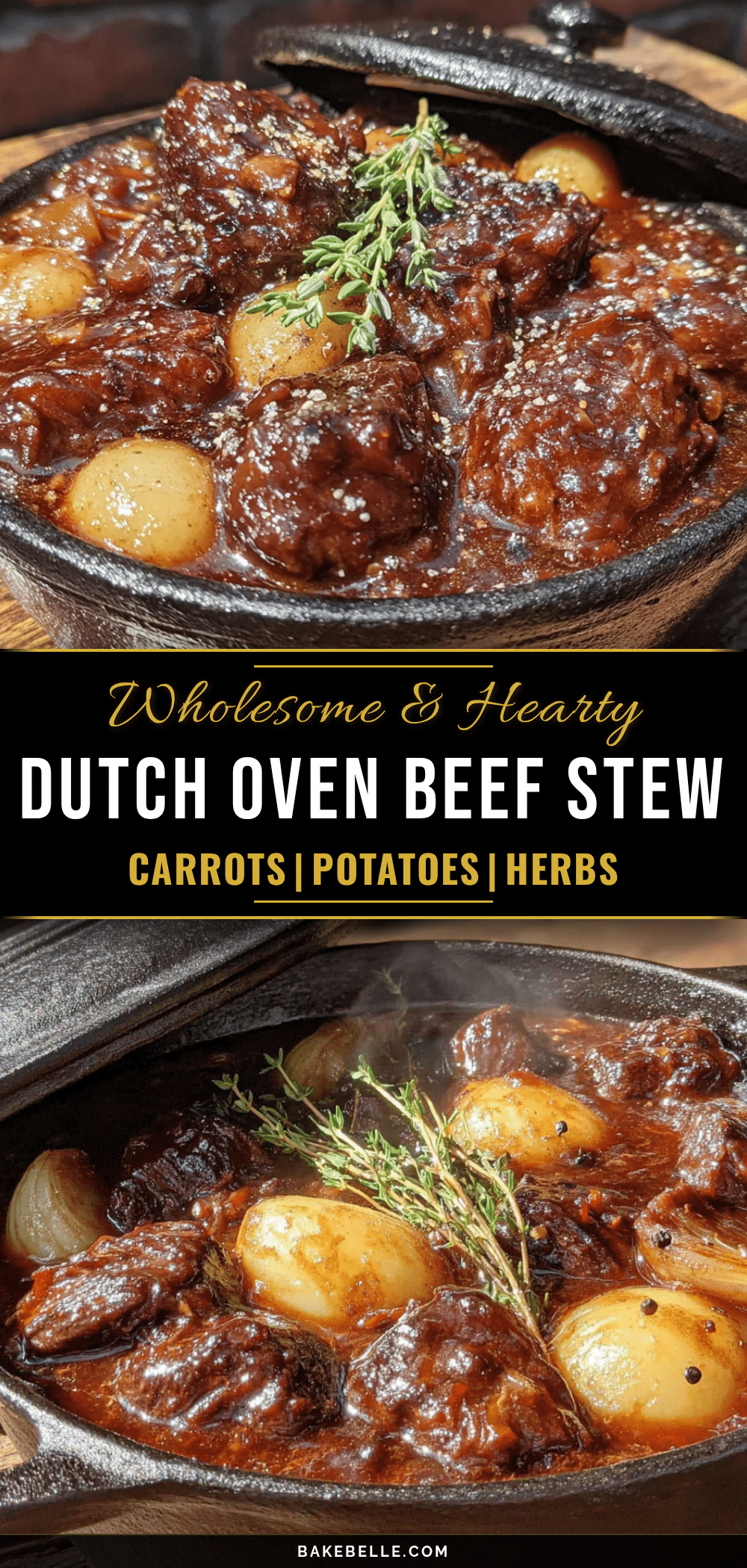
Wholesome Dutch Oven Beef Stew with Root Vegetables
This hearty beef stew with root vegetables is a comforting one-pot meal made with simple ingredients. The beef is seared to perfection, then slow-cooked with carrots, parsnips, and potatoes in a rich, savory broth.
- Prep Time: 20 minutes
- Cook Time: 2 hours
- Total Time: 2 hours 20 minutes
- Yield: 6 servings 1x
- Category: Main Course
- Cuisine: American
Ingredients
- 2 pounds beef chuck roast, cut into 1.5-inch cubes
- 1 teaspoon kosher salt
- ½ teaspoon black pepper, freshly ground
- 2 tablespoons all-purpose flour
- 2 tablespoons olive oil
- 1 large yellow onion, diced
- 4 cloves garlic, minced
- 3 medium carrots, peeled and cut into 1-inch chunks
- 3 medium parsnips, peeled and cut into 1-inch chunks
- 2 medium russet potatoes, peeled and cut into 1-inch chunks
- 2 stalks celery, sliced into ½-inch pieces
- 3 cups beef broth, low-sodium
- 1 cup dry red wine (Cabernet Sauvignon or Merlot)
- 2 tablespoons tomato paste
- 2 bay leaves
- 1 teaspoon dried thyme
- 1 teaspoon smoked paprika
Instructions
- Preheat your oven to 325°F (165°C). Position the rack in the lower third of the oven.
- Pat the chuck roast cubes dry with paper towels. In a large bowl, toss the beef with the salt, pepper, and flour until evenly coated. Let it sit for 5 minutes.
- Heat 1 tablespoon of olive oil in your Dutch oven over medium-high heat until it shimmers. Add half the beef cubes in a single layer and sear without moving for 3-4 minutes, until the bottom is deep brown. Flip with tongs and sear the other side for 2-3 minutes. Transfer to a plate. Repeat with remaining oil and beef.
- Reduce heat to medium. Add the diced onion to the pot and cook for 4-5 minutes, stirring occasionally, until soft and translucent. Add the garlic and cook for 1 minute more, until fragrant.
- Stir in the tomato paste and smoked paprika. Cook for 1-2 minutes, stirring constantly, until the paste darkens slightly.
- Pour in the red wine, stirring vigorously to scrape up any browned bits from the bottom. Let it simmer for 2-3 minutes, until reduced by about half.
- Return the seared beef and any accumulated juices to the pot. Add the carrots, parsnips, potatoes, celery, bay leaves, and dried thyme. Pour in the beef broth. Stir everything together gently.
- Increase heat to high and bring the liquid to a gentle simmer (small bubbles breaking the surface). This takes about 5-7 minutes.
- Cover the Dutch oven with the lid and place it in the preheated oven. Cook for 1 hour and 45 minutes to 2 hours, until the beef is fork-tender and the vegetables are soft but still holding their shape.
- Remove the pot from the oven and let it rest, lid on, for 10-15 minutes. Remove the bay leaves. Taste and adjust seasoning with more salt and pepper if needed. Serve hot.
Notes
For best results, do not skip the searing step. Cut vegetables evenly (1-inch pieces) for consistent cooking. Keep the lid on during the entire oven cooking time. Season in layers for optimal flavor. The stew tastes even better the next day.
Nutrition
- Serving Size: 1 bowl (about 1.5 cu
- Calories: 450
- Sugar: 8
- Sodium: 800
- Fat: 20
- Saturated Fat: 7
- Carbohydrates: 33
- Fiber: 6
- Protein: 38
Keywords: beef stew, Dutch oven, root vegetables, comfort food, one-pot meal, hearty stew