I was at the community garden last fall, elbow-deep in soil and trying not to squash the basil seedlings, when I heard a soft laugh behind me. It was Marguerite, the older woman who tended the plot next to mine. She didn’t say anything at first—just watched me struggle with the stubborn roots for a minute. Then she reached over, gently nudged my hands aside, and showed me how to loosen the dirt without damaging the plant. That moment turned into a conversation about cooking, which turned into her telling me about the banana bread she used to make for her grandkids. No mixer. One bowl. She made it sound so simple, like breathing.
I went home that evening and scribbled her instructions on the back of a seed packet. Honestly, I didn’t think much of it at first. I mean, I’d made banana bread before—everyone has, right? But hers was different. It wasn’t fussy or complicated. It was the kind of recipe that felt like a quiet hug on a rainy afternoon. The first time I tried it, I forgot to grease the pan properly and ended up with half the loaf stuck to the bottom. But the part I salvaged? Let me tell you, it was the most tender, comforting banana bread I’d ever eaten. The edges were slightly crispy, the inside was soft and almost custard-like, and it filled my tiny apartment with a warmth that lingered for hours.
You know that feeling when a recipe just clicks? When you don’t have to wrestle with a mixer or wash a mountain of dishes afterward? That’s this cozy one-bowl banana bread. It’s become my go-to for those slow evenings when the weather turns cold, or after a rough day when I need something to fix. Maybe you’ve been there—standing in your kitchen, staring at overripe bananas, wanting comfort without the chaos. This is that recipe. Marguerite moved to another city last spring, but every time I mash those bananas and stir them into the bowl, I remember her laugh and the way she said, “Cooking is just sharing, dear.” And honestly, that’s why I keep making it.
Why You’ll Love This Recipe
This isn’t just another banana bread recipe. It’s the one I’ve tested more times than I can count, tweaking and adjusting until every bite felt just right. Here’s why I think it’ll become your favorite too:
- Quick & Easy: From start to oven in about 10 minutes. No mixer needed—just a bowl, a fork, and a little elbow grease. Perfect for those “I need something warm right now” moments.
- Simple Ingredients: You probably have everything in your pantry already. No weird flours or obscure extracts. Just butter, sugar, eggs, flour, and those sad bananas sitting on your counter.
- Perfect for Cozy Evenings: This bread was made for cold weather, rainy afternoons, or any day that needs a little extra comfort. It’s the edible equivalent of wrapping yourself in a soft blanket.
- Crowd-Pleaser: I’ve brought this to potlucks, family dinners, and casual hangouts. It disappears every single time. Kids love it, adults sneak extra slices, and nobody guesses how little effort it took.
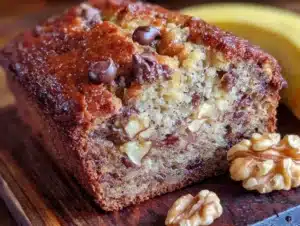
- Unbelievably Delicious: The texture is what gets me every time. The outside has this delicate, buttery crispness, while the inside stays moist and almost pudding-like. It’s comfort food at its finest—simple, honest, and deeply satisfying.
What makes this version different? It’s the technique. Instead of creaming butter and sugar (which requires a mixer), you melt the butter first and stir everything by hand. This creates a denser, more tender crumb that feels almost like a cross between bread and cake. Plus, the one-bowl method means less cleanup, which honestly feels like a gift on a busy day. This isn’t just another version—it’s the best version I’ve found, and I’ve tried a lot.
This recipe is the kind that makes you close your eyes after the first bite. It’s comfort food reimagined—simpler, faster, but with the same soul-soothing satisfaction. Perfect for impressing guests without stress, or turning a simple evening into something memorable.
What Ingredients You Will Need
This recipe uses simple, wholesome ingredients that work together to create that signature cozy banana bread texture. Most of these are pantry staples, which means you can whip this up anytime the craving hits.
For the Banana Bread Batter
- 3 ripe bananas, mashed (about 1 ½ cups / 360 ml). The riper, the better—those spotty, almost-black bananas are perfect. They add natural sweetness and moisture.
- ½ cup (113 g) unsalted butter, melted. I use Kerrygold for its rich flavor, but any unsalted butter works. Melting the butter instead of creaming it is the secret to the one-bowl method.
- ¾ cup (150 g) granulated sugar. You can reduce this to ½ cup if your bananas are very sweet. I’ve tried coconut sugar too, and it adds a nice caramel note.
- 2 large eggs, room temperature. Cold eggs can seize the melted butter, so let them sit out for 15 minutes first.
- 1 teaspoon vanilla extract. Pure vanilla makes a difference here—skip the imitation stuff if you can.
- 1 ½ cups (190 g) all-purpose flour. Spoon and level your flour for the best results. Too much flour makes the bread dry.
- 1 teaspoon baking soda. This is your leavening agent. Make sure it’s fresh—test it by dropping a pinch in vinegar; it should fizz.
- ½ teaspoon salt. Fine sea salt is my go-to. It balances the sweetness and brings out the banana flavor.
- ½ teaspoon ground cinnamon (optional, but highly recommended). It adds warmth without overpowering the bananas.
Optional Add-Ins

- ½ cup (60 g) chopped walnuts or pecans. Toast them first for extra crunch and flavor.
- ½ cup (85 g) chocolate chips. Semi-sweet or dark work best—they don’t make the bread too sweet.
- ¼ cup (40 g) dried cranberries or raisins. Adds little bursts of tangy sweetness.
I recommend using a good quality vanilla extract like Nielsen-Massey for the best flavor. For the bananas, look for ones that are heavily speckled with brown spots—they’re at peak sweetness. If your bananas aren’t ripe enough, you can roast them in their skins at 300°F for 15 minutes to soften and sweeten them. It’s a neat trick I learned from a pastry chef friend.
For substitutions, you can swap the all-purpose flour with a 1:1 gluten-free baking blend. I’ve used Bob’s Red Mill with good results. For a dairy-free version, use coconut oil or vegan butter instead of regular butter. Just make sure it’s melted and slightly cooled before adding the eggs.
Equipment Needed
The beauty of this recipe is how little equipment it requires. Here’s what you’ll need:
- One large mixing bowl. Any bowl works, but a wide, shallow one makes mashing and stirring easier.
- A fork or potato masher for mashing the bananas. I prefer a fork because I like a few small lumps—it adds texture.
- A whisk or wooden spoon for mixing. A whisk incorporates air better, but a spoon gets the job done too.
- A 9×5-inch (23×13 cm) loaf pan. Glass, metal, or ceramic all work. If using glass, reduce the oven temperature by 25°F.
- Parchment paper (optional but helpful). It makes lifting the bread out effortless and cleanup even easier.
- Cooling rack. Letting the bread cool properly prevents a soggy bottom.
If you don’t have a loaf pan, you can use an 8×8-inch square pan and adjust the baking time to about 30-35 minutes. I once used a cast iron skillet in a pinch, and it turned out great—just with a crispier crust. No need for fancy equipment here. That’s the whole point.
Preparation Method
Ready to make the coziest banana bread of your life? Let’s go step by step. The whole process takes about 10 minutes of active time, plus 50-60 minutes of baking.
- Preheat your oven to 350°F (175°C). Grease your loaf pan with butter or non-stick spray, or line it with parchment paper. I like to leave an overhang on two sides—it makes lifting the bread out so much easier later.
- Mash the bananas in your mixing bowl. Use a fork or potato masher until they’re mostly smooth with a few small lumps. Don’t over-mash—those little chunks add lovely pockets of moisture in the finished bread. You should have about 1 ½ cups.
- Add the melted butter and stir. Make sure your butter isn’t piping hot—let it cool for a minute after melting so it doesn’t cook the eggs later. Stir until the butter and bananas are well combined. The mixture will look a bit separated at this point, and that’s totally fine.
- Add the sugar, eggs, and vanilla. Stir vigorously with your whisk or wooden spoon until everything is smooth and glossy. The sugar should be mostly dissolved—about 30 seconds of stirring does the trick. The batter will look lighter in color and slightly thickened.
- Sprinkle the flour, baking soda, salt, and cinnamon on top. Don’t dump it all in one spot—scatter it evenly over the wet ingredients. This helps the baking soda distribute evenly without clumping. Gently stir until just combined. A few streaks of flour are okay; over-mixing will make the bread tough. Fold in any add-ins (nuts, chocolate chips, etc.) at this point.
- Pour the batter into your prepared pan. Use a spatula to scrape every last bit out—this is the best part. Smooth the top gently. The batter will be quite thick, almost like a soft dough. That’s exactly what you want.
- Bake for 50-60 minutes. Place the pan on the middle rack. At the 40-minute mark, check on it. If the top is browning too quickly, tent it loosely with aluminum foil. The bread is done when a toothpick inserted into the center comes out clean or with just a few moist crumbs. The top should be a deep golden brown, and the edges should pull away slightly from the pan.
- Cool in the pan for 10 minutes. This lets the bread set so it doesn’t fall apart when you remove it. After 10 minutes, lift it out using the parchment overhang (or invert it onto a cooling rack). Let it cool completely on the rack—about 1 hour—before slicing. I know it’s tempting to cut into it warm, but it will be too fragile and might crumble.
A few sensory cues: When you stir the batter, it should smell deeply of bananas and vanilla. The finished bread will sound slightly hollow when you tap the bottom. And the aroma? It’ll fill your whole house with this warm, sweet, buttery scent that makes everything feel okay.
Cooking Tips & Techniques
I’ve made this banana bread more times than I can count, and I’ve learned a few things the hard way. Here are my best tips for getting it right every time.
Don’t overmix the batter. This is the most common mistake. When you stir the flour in, stop as soon as you don’t see any more white streaks. Overmixing develops gluten, which makes the bread tough and dense instead of tender. I learned this after making a brick-like loaf that my husband politely called “rustic.”
Use room temperature eggs. This matters more than you’d think. Cold eggs can cause the melted butter to seize up, creating little lumps of solidified fat in your batter. If you forget to take them out ahead of time, place them in a bowl of warm water for 5 minutes. Problem solved.
Check your baking soda’s freshness. Baking soda loses its potency over time. If your bread doesn’t rise properly, that’s usually the culprit. A simple test: drop a pinch of baking soda into a small bowl of vinegar. If it fizzes vigorously, it’s good to go. If it barely bubbles, get a fresh box.
Let the bread cool completely. I know, I know—warm banana bread is incredible. But if you cut into it too soon, it will be gummy and might fall apart. The bread continues to set as it cools, and the texture improves dramatically. Trust me on this one. I once ruined an entire loaf because I couldn’t wait 15 more minutes.
Use the toothpick test wisely. Insert it into the center of the bread, not near the edges. If it comes out with wet batter, bake for another 5 minutes and test again. If it comes out with a few moist crumbs, it’s perfect. A completely dry toothpick means you’ve overbaked it slightly.
For even baking, rotate the pan halfway through. Ovens have hot spots, and rotating the pan ensures your bread bakes evenly. I do this at the 30-minute mark and it makes a noticeable difference.
Variations & Adaptations
One of the best things about this recipe is how adaptable it is. Here are some variations I’ve tried and loved.
Chocolate Chip Banana Bread: Fold in ½ cup of semi-sweet chocolate chips along with the flour. The chocolate melts into little pockets of gooey goodness. My niece insists this is the only way to make banana bread, and honestly, she might be right.
Vegan Banana Bread: Replace the butter with melted coconut oil or vegan butter, and use two flax eggs (2 tablespoons ground flaxseed mixed with 6 tablespoons water, let sit for 5 minutes). The texture is slightly denser but still incredibly moist. I made this version for a friend with dairy allergies, and she asked for the recipe three times.
Gluten-Free Banana Bread: Use a 1:1 gluten-free baking blend. I’ve had great results with Bob’s Red Mill. Add an extra tablespoon of milk or yogurt to compensate for the drier flour blend. The crumb will be a bit more delicate, so let it cool longer before slicing.
Spiced Banana Bread: Add ½ teaspoon of nutmeg, ¼ teaspoon of ground ginger, and a pinch of cloves along with the cinnamon. This makes it feel almost like a holiday loaf. Perfect for chilly December afternoons with a cup of tea.
Blueberry Banana Bread: Gently fold in 1 cup of fresh or frozen blueberries (don’t thaw them first) at the end. The berries burst during baking, creating little jammy pockets. This version is especially good in summer when blueberries are at their peak.
I once tried a savory version with cheddar cheese and black pepper—don’t ask, it was a late-night experiment. It was… interesting. Let’s just stick with the sweet variations for now.
Serving & Storage Suggestions
This banana bread is wonderful served slightly warm or at room temperature. For an extra cozy touch, toast a slice and spread it with a generous pat of butter. The butter melts into the warm bread, and honestly, it’s pure magic. It’s also delicious with a drizzle of honey, a smear of cream cheese, or even a dollop of Greek yogurt for breakfast.
For beverages, a hot cup of coffee or chai tea is the perfect companion. The warmth of the drink complements the sweetness of the bread beautifully. In the summer, a cold glass of milk or iced latte works just as well.
Storage: Keep the banana bread wrapped tightly in plastic wrap or stored in an airtight container at room temperature. It stays moist for up to 4 days. Do not refrigerate it—the cold air dries it out and makes the texture dense. I learned this the hard way after refrigerating a loaf and ending up with something that felt more like a brick than bread.
Freezing: This bread freezes beautifully. Wrap the cooled loaf (or individual slices) tightly in plastic wrap, then in aluminum foil. Freeze for up to 3 months. To thaw, leave it at room temperature for a few hours or pop a slice in the toaster. I always keep a few slices in the freezer for emergencies—those days when you just need a little comfort.
Reheating: For that fresh-from-the-oven experience, warm slices in a 300°F oven for 5-7 minutes, or in the microwave for 15 seconds. The microwave is quicker, but the oven restores some of the crispy edges.
The flavors actually deepen after a day or two. The banana flavor becomes more pronounced, and the texture evens out. So don’t worry if you can’t finish it all at once—it only gets better.
Nutritional Information & Benefits
Here’s an approximate nutritional breakdown per slice (based on 10 slices, without add-ins):
| Nutrient | Amount per Slice |
|---|---|
| Calories | 245 |
| Total Fat | 11g |
| Saturated Fat | 6g |
| Cholesterol | 55mg |
| Sodium | 280mg |
| Total Carbohydrates | 34g |
| Dietary Fiber | 2g |
| Sugars | 18g |
| Protein | 4g |
Bananas are a good source of potassium, vitamin B6, and vitamin C. They also contain fiber, which aids digestion and helps you feel fuller longer. The eggs provide high-quality protein and essential amino acids. If you use whole wheat flour instead of all-purpose, you’ll add more fiber and nutrients to each slice.
This recipe can be made lower in sugar by reducing the granulated sugar to ½ cup or using a natural sweetener like maple syrup (reduce the butter slightly to compensate for the extra liquid). For a lower-fat version, replace half the butter with unsweetened applesauce—it keeps the bread moist with less fat.
Allergen note: This recipe contains wheat (gluten), dairy (butter), and eggs. For allergen-friendly adaptations, see the variations section above.
I personally love that this banana bread feels like a treat but isn’t overly indulgent. It’s the kind of thing I feel good about eating for breakfast or an afternoon snack—it satisfies the craving without the sugar crash.
Frequently Asked Questions
Can I use frozen bananas for this recipe?
Absolutely! Thaw them completely first, then drain off any excess liquid before mashing. Frozen bananas are actually sweeter than fresh ones, so you might want to reduce the sugar slightly.
Why did my banana bread sink in the middle?
This usually happens if the bread is underbaked or if you opened the oven door too early. The sudden temperature change can cause the center to collapse. Try not to open the oven for the first 40 minutes of baking.
Can I make this recipe without eggs?
Yes! Use a flax egg (1 tablespoon ground flaxseed mixed with 3 tablespoons water, let sit for 5 minutes) for each egg. The texture will be slightly denser but still delicious.
How do I know when the banana bread is fully baked?
Insert a toothpick into the center of the bread. If it comes out clean or with just a few moist crumbs, it’s done. The top should be golden brown and the edges should pull away from the pan slightly.
Can I double this recipe?
Definitely! Double all the ingredients and bake in two separate loaf pans. Don’t try to bake it all in one pan—it won’t cook through properly. Two loaves also freeze beautifully, so you’ll always have one on hand.
Conclusion
This cozy one-bowl banana bread is more than just a recipe—it’s a little ritual. It’s the smell that fills your kitchen on a gray day, the warmth that spreads through you with the first bite, and the knowledge that something so simple can be so comforting. No mixer, no fuss, no complicated techniques. Just a bowl, a fork, and a few ingredients that come together to create something genuinely special.
I hope you’ll make this your own. Add your favorite mix-ins, adjust the sweetness to your taste, and don’t be afraid to experiment. That’s what cooking is all about—making something that feels like yours. Marguerite would agree, I think.
When you make it, I’d love to hear how it turns out. Leave a comment below and let me know what variations you tried, or share a photo of your creation. And if you loved it, pass it along to someone who needs a little comfort today. After all, cooking is just sharing.
PrintCozy One-Bowl Banana Bread: Easy No-Mixer Recipe

This easy one-bowl banana bread requires no mixer and comes together in about 10 minutes. It’s tender, moist, and perfect for cozy evenings or any day that needs a little comfort.
- Prep Time: 10 minutes
- Cook Time: 50-60 minutes
- Total Time: 1 hour 10 minutes
- Yield: 10 servings 1x
- Category: Dessert
- Cuisine: American
Ingredients
- 3 ripe bananas, mashed (about 1 ½ cups / 360 ml)
- ½ cup (113 g) unsalted butter, melted
- ¾ cup (150 g) granulated sugar
- 2 large eggs, room temperature
- 1 teaspoon vanilla extract
- 1 ½ cups (190 g) all-purpose flour
- 1 teaspoon baking soda
- ½ teaspoon salt
- ½ teaspoon ground cinnamon (optional)
- ½ cup (60 g) chopped walnuts or pecans (optional)
- ½ cup (85 g) chocolate chips (optional)
- ¼ cup (40 g) dried cranberries or raisins (optional)
Instructions
- Preheat your oven to 350°F (175°C). Grease your loaf pan with butter or non-stick spray, or line it with parchment paper, leaving an overhang on two sides.
- Mash the bananas in your mixing bowl with a fork or potato masher until mostly smooth with a few small lumps. You should have about 1 ½ cups.
- Add the melted butter and stir until well combined. Let the butter cool slightly after melting so it doesn’t cook the eggs later.
- Add the sugar, eggs, and vanilla. Stir vigorously with a whisk or wooden spoon until smooth and glossy, about 30 seconds.
- Sprinkle the flour, baking soda, salt, and cinnamon evenly over the wet ingredients. Gently stir until just combined. Fold in any add-ins (nuts, chocolate chips, etc.) at this point.
- Pour the batter into the prepared pan and smooth the top. The batter will be thick.
- Bake for 50-60 minutes. At the 40-minute mark, check the bread; if the top is browning too quickly, tent it loosely with aluminum foil. The bread is done when a toothpick inserted into the center comes out clean or with a few moist crumbs.
- Cool in the pan for 10 minutes, then lift it out using the parchment overhang (or invert onto a cooling rack). Let it cool completely on the rack, about 1 hour, before slicing.
Notes
Don’t overmix the batter to avoid tough bread. Use room temperature eggs to prevent the melted butter from seizing. Check baking soda freshness by testing with vinegar. Let the bread cool completely before slicing to avoid a gummy texture. For even baking, rotate the pan halfway through.
Nutrition
- Serving Size: 1 slice
- Calories: 245
- Sugar: 18
- Sodium: 280
- Fat: 11
- Saturated Fat: 6
- Carbohydrates: 34
- Fiber: 2
- Protein: 4
Keywords: banana bread, one-bowl banana bread, easy banana bread, no-mixer banana bread, cozy banana bread, comfort food